Gamification of Public Fitness Facilities
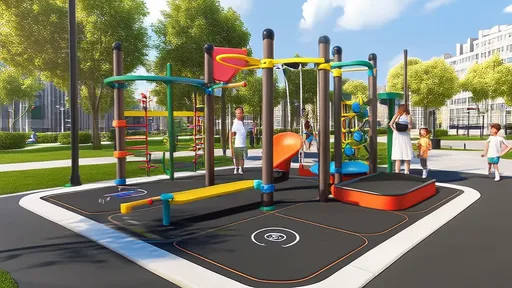
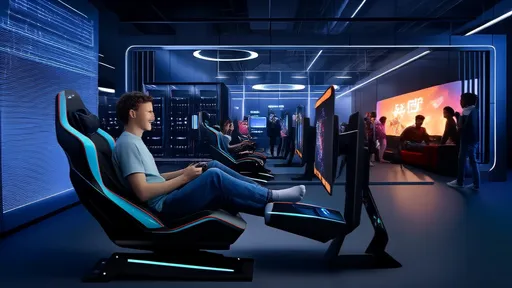
The concept of gamified public fitness equipment is revolutionizing urban spaces across the globe. What began as a niche experiment in a handful of forward-thinking cities has blossomed into a full-fledged movement, transforming mundane workout routines into engaging social experiences. These interactive installations merge physical activity with digital feedback systems, creating outdoor gyms that feel more like playgrounds for all ages.
At the heart of this innovation lies a simple yet powerful idea: exercise shouldn't feel like a chore. Traditional outdoor gym equipment often goes underutilized because it fails to motivate sustained engagement. The new generation of gamified equipment changes this dynamic by incorporating elements like score tracking, friendly competition, and real-time performance metrics. Suddenly, that chest press station becomes part of an interactive circuit where users can challenge themselves and others.
Singapore's Smart Fitness Corners showcase this evolution beautifully. Scattered across housing estates, these bright orange installations feature equipment that counts repetitions, measures workout duration, and even suggests improvements through voice guidance. What makes them truly special is how they've created micro-communities of fitness enthusiasts where none existed before. Morning exercisers now cheer each other on to beat personal bests, turning solitary workouts into shared accomplishments.
The technology enabling this fitness revolution is surprisingly accessible. Most systems rely on robust, weatherproof sensors connected to LED displays or simple audio feedback mechanisms. Some advanced versions sync with mobile apps, allowing users to track progress over time or participate in city-wide fitness challenges. The beauty lies in the seamless integration - the technology serves the exercise experience rather than distracting from it.
Urban planners are taking notice of the social benefits these installations foster. In Barcelona's superblock neighborhoods, gamified fitness zones have become natural gathering points that bridge generational divides. Grandparents pedal on electricity-generating bikes while teenagers compete on strength-testing modules nearby. The shared language of friendly competition and achievement creates bonds between strangers in ways that traditional parks rarely achieve.
Critics initially questioned whether such equipment could withstand heavy public use or maintain appeal over time. However, data from early adopters tells a different story. Maintenance costs prove comparable to conventional outdoor gyms, while usage rates show sustained increases of 40-60% according to municipal reports from Copenhagen and Melbourne. The novelty factor gives way to genuine habit formation, especially when communities adopt the equipment as part of local fitness cultures.
Perhaps the most unexpected development has been how these installations democratize fitness accessibility. The intuitive, game-like interfaces lower barriers for first-time exercisers intimidated by gym environments. In Seoul's digital fitness parks, tutorial videos play on embedded screens, demonstrating proper form in multiple languages. This thoughtful design consideration makes public fitness spaces genuinely inclusive for diverse populations.
The environmental impact of these installations shouldn't be overlooked either. Several European models now incorporate energy-harvesting technology, converting users' workout efforts into stored electricity that powers the equipment's digital features or nearby park lighting. It's a brilliant closed-loop system that makes participants feel their physical exertion contributes to something beyond personal fitness.
As cities continue adopting these systems, we're seeing creative variations emerge. Some incorporate augmented reality features through companion apps, turning entire parks into fitness adventure courses. Others experiment with team-based challenges where different equipment stations represent collaborative objectives. The common thread remains making exercise feel less like work and more like play - a philosophy that's proving remarkably effective at getting sedentary populations moving.
The future of public fitness appears destined to become increasingly interactive and socially connected. With obesity rates climbing globally and urban dwellers spending more time sedentary, these gamified solutions offer a compelling antidote. They represent that rare urban innovation that succeeds on multiple fronts: promoting public health, fostering community connections, and making cities more playful environments for all ages.
What began as functional exercise equipment has evolved into something far more significant - a new approach to designing public spaces that actively encourage healthier, more engaged communities. The success of these installations suggests we've only scratched the surface of how gamification can transform urban living for the better.