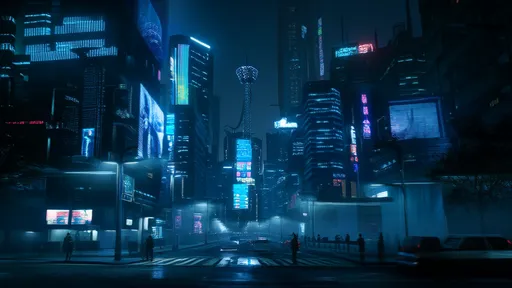
Cyberpunk Scene Neon Light Pollution Control
The neon-drenched streets of a cyberpunk metropolis are iconic, but beneath the dazzling spectacle lies a growing environmental concern: light pollution. As cities around the world embrace the cyberpunk aesthetic—vibrant neon signs, holographic billboards, and LED-lit skyscrapers—the unintended consequences of this visual extravagance are becoming impossible to ignore. The glow of artificial light spills into the night sky, disrupts ecosystems, and even affects human health. Yet, in the pursuit of futuristic urban appeal, the question remains: can we balance the allure of neon with responsible illumination?
The Neon Paradox: Beauty and Consequences
Cyberpunk cities are defined by their luminescent landscapes, where towering megastructures pulse with electric hues, and streets are bathed in the glow of neon advertisements. This aesthetic isn’t just a stylistic choice—it’s a cultural symbol of technological dominance and urban decay. However, the very lights that give these cities their identity are also contributing to a global surge in light pollution. Studies show that excessive artificial lighting disrupts nocturnal wildlife, confuses migratory birds, and alters the behavior of insects. For humans, prolonged exposure to artificial night light has been linked to sleep disorders, increased stress levels, and even higher risks of certain cancers.
In Tokyo’s Shinjuku district or Hong Kong’s Kowloon, where neon has long been a staple, residents report difficulty seeing stars, a problem now common in urban centers worldwide. The irony is palpable: the same technology that paints the city in mesmerizing colors also obscures the natural beauty of the night sky. The challenge, then, is not to eliminate neon—after all, it’s a cornerstone of cyberpunk culture—but to innovate ways to mitigate its ecological footprint.
Smart Lighting: A Glimmer of Hope
One promising solution lies in smart lighting systems. Imagine neon signs that dim during low-traffic hours or adaptive streetlights that brighten only when pedestrians are near. Advances in IoT (Internet of Things) technology allow for dynamic lighting networks that respond to real-time data, reducing unnecessary illumination without sacrificing the cyberpunk vibe. Cities like Seoul and Singapore have begun experimenting with such systems, integrating motion sensors and AI-driven controls to optimize light usage.
Another approach is the use of directional lighting. Traditional neon signs and streetlights scatter light in all directions, much of which is wasted as skyglow. By focusing illumination downward—where it’s actually needed—cities can maintain their radiant facades while minimizing light spill. This isn’t just theoretical; companies are already developing LED-based "dark sky compliant" fixtures that preserve the neon aesthetic while drastically cutting light pollution.
The Role of Policy and Public Awareness
Technology alone won’t solve the problem. Effective light pollution control requires robust urban policies. Some cities have introduced "light curfews," mandating that non-essential lighting be turned off after midnight. Others have set brightness limits for advertisements and building exteriors. These measures, while sometimes controversial, highlight the need for a regulatory framework that acknowledges both cultural and environmental priorities.
Public awareness is equally critical. Many people associate bright cities with prosperity and safety, not realizing the hidden costs. Campaigns to promote "responsible lighting" could shift perceptions, encouraging businesses and residents to adopt practices that reduce glare and energy waste. After all, the cyberpunk ethos has always been about questioning the status quo—why not apply that skepticism to how we light our cities?
A Dimmer, but No Less Dazzling, Future
The cyberpunk aesthetic doesn’t have to fade to address light pollution. By embracing smarter technologies, thoughtful design, and forward-thinking policies, cities can preserve their neon soul while reducing their environmental impact. The result? A future where the glow of the city enhances life rather than detracts from it—where the streets still pulse with energy, but the stars remain visible overhead.