Cloud Gaming Experience Store Profit Model
The cloud gaming experience store model has emerged as a disruptive force in the gaming industry, blending entertainment with cutting-edge technology. Unlike traditional gaming cafes or console-based setups, these stores leverage high-speed internet and remote servers to deliver premium gaming experiences without requiring expensive hardware. The profitability of such ventures depends on multiple factors, from location selection to subscription models, and understanding these dynamics is crucial for entrepreneurs looking to capitalize on this growing trend.
The Rise of Cloud Gaming Experience Stores
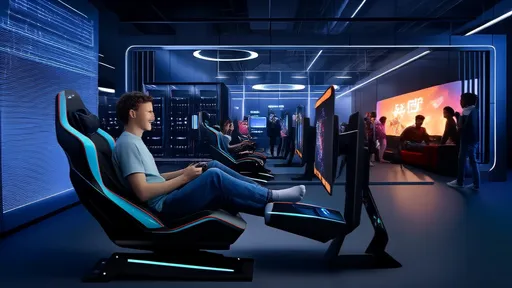
Cloud gaming experience stores have gained traction as internet infrastructure improves globally. With 5G networks expanding and latency issues diminishing, players can now enjoy high-fidelity games without owning top-tier PCs or consoles. These stores provide access to a vast library of games hosted on remote servers, allowing customers to play the latest titles on mid-range devices. This democratization of high-end gaming has opened doors for a broader audience, including casual gamers who may not invest in expensive setups.
The business model thrives on recurring revenue streams rather than one-time purchases. Most successful cloud gaming stores operate on membership or pay-per-hour systems, creating predictable cash flow. Some establishments enhance profitability by combining gaming with complementary services like esports tournaments, streaming booths, or themed food and beverages. The social aspect of these venues also contributes to customer retention, as gamers often visit in groups for shared experiences.
Key Revenue Streams in Cloud Gaming Stores
Membership subscriptions form the backbone of profitability for cloud gaming experience stores. Tiered pricing structures allow operators to cater to different customer segments, from casual players to hardcore enthusiasts. Premium memberships often include perks like priority access to new releases, discounted hourly rates, or exclusive in-game content. This model not only ensures steady income but also fosters customer loyalty in a competitive market.
Hourly rental fees provide another significant revenue source, particularly in high-traffic urban locations. Stores typically charge premium rates for peak hours while offering discounts during off-peak times to maximize facility utilization. The flexibility of cloud gaming enables operators to adjust pricing dynamically based on demand, a strategy that helps optimize earnings. Some venues even implement surge pricing during popular game launches or esports events.
Ancillary services contribute substantially to the bottom line. Many cloud gaming stores generate additional income through merchandise sales, food and beverage offerings, and sponsored events. Partnerships with game publishers and hardware manufacturers can yield sponsorship deals or revenue-sharing arrangements. The most successful establishments create ecosystems where gaming becomes part of a larger entertainment experience, increasing average customer spend per visit.
Operational Considerations for Profitability
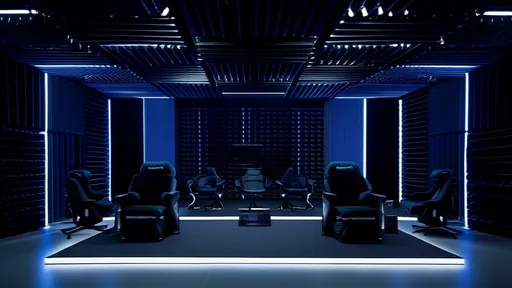
Location selection dramatically impacts a cloud gaming store's success. Ideal venues combine high foot traffic with strong internet infrastructure, often in commercial districts near universities or entertainment hubs. The physical layout must balance play areas with social spaces, creating an environment that encourages longer stays and repeat visits. Smart store designs incorporate modular setups that can adapt to different group sizes and event formats.
Technology infrastructure represents both a critical investment and ongoing expense. While cloud gaming reduces the need for expensive local hardware, stores still require robust networking equipment, high-quality peripherals, and comfortable gaming stations. Regular upgrades are necessary to maintain competitive advantage, as customers expect seamless experiences comparable to high-end home setups. Energy costs and bandwidth requirements also factor heavily into operational budgets.
Staffing presents unique challenges in this hybrid retail-entertainment model. Beyond technical support, employees often serve as community managers who foster engagement and organize events. Successful stores invest in training programs that equip staff with both gaming knowledge and customer service skills. The human element differentiates physical cloud gaming stores from purely digital alternatives, creating value that justifies premium pricing.
Marketing Strategies for Cloud Gaming Venues
Community building proves essential for sustained profitability in the cloud gaming store business. Unlike traditional retail, these establishments thrive on creating passionate user bases that return frequently. Successful operators leverage social media, Discord servers, and in-store events to cultivate loyal followings. Exclusive beta tests, developer meetups, and cosplay competitions help position the store as a hub for gaming culture rather than just a service provider.
Partnerships with game developers and publishers can provide competitive advantages. Early access to popular titles, branded gaming stations, or revenue-sharing on in-game purchases create unique selling propositions. Some stores negotiate to become official testing grounds for new cloud gaming features, gaining publicity while offsetting technology costs. These collaborations often lead to co-marketing opportunities that benefit both parties.
Data-driven customization enhances customer experiences and spending patterns. Cloud gaming platforms generate valuable analytics about play habits and preferences. Savvy store owners use this information to curate game libraries, optimize pricing models, and personalize promotions. Machine learning algorithms can predict peak hours, popular titles, and even potential churn risks, allowing for proactive business adjustments.
Future Trends and Challenges
The cloud gaming store model faces evolving challenges as the industry matures. Competition from home cloud gaming services requires physical venues to offer experiences that cannot be replicated in living rooms. This has led to innovations like VR cloud gaming arenas, holographic displays, and immersive sound environments that justify the out-of-home premium. The most forward-thinking operators are experimenting with mixed reality setups that blend physical and digital gameplay elements.
Content exclusivity will likely become a key differentiator. As major tech companies invest heavily in cloud gaming platforms, experience stores may need to align with specific ecosystems or negotiate exclusive local rights to certain titles. Some industry analysts predict the rise of white-label cloud gaming solutions tailored for physical venues, complete with customized interfaces and proprietary features.
Monetization beyond gaming hours presents growth opportunities. The next generation of cloud gaming stores might incorporate blockchain-based asset trading, NFT showcase spaces, or metaverse gateway experiences. As gaming increasingly intersects with other forms of digital entertainment and commerce, versatile business models will outperform those relying solely on time-based rentals.
The cloud gaming experience store model represents more than just a new way to play games—it's reshaping how consumers interact with digital entertainment in physical spaces. Successful operators will be those who view their venues as community platforms rather than mere access points to gaming content. By combining technological innovation with social engagement strategies, these businesses can achieve sustainable profitability in an industry where the only constant is change.