Age Distribution of Consumer Spending among Retro Server Players
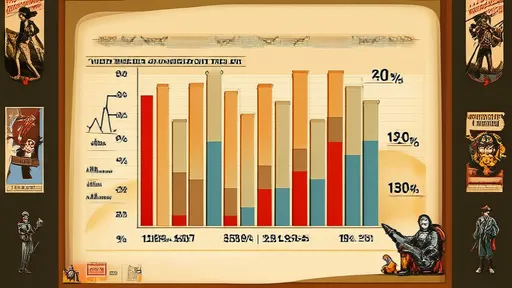
The nostalgic appeal of classic gaming experiences has brought a diverse range of players back to World of Warcraft's Classic Era and Wrath of the Lich King (WOTLK) expansions. Among them, a fascinating demographic trend has emerged: the spending habits and financial engagement of players vary significantly across different age groups. Understanding these patterns provides valuable insights into the economic ecosystem of WoW Classic and the broader retro gaming market.
Players in their late 20s and early 30s form the backbone of WoW Classic's active subscriber base. Many of them first experienced the game during its original launch in the mid-2000s, and their return is driven by a mix of nostalgia and disposable income. This age group demonstrates a strong willingness to invest in in-game services, such as character boosts, mounts, and cosmetic items. Their spending is often discretionary but consistent, reflecting a prioritization of convenience and time-saving features over grinding.
Meanwhile, the 35-to-45 age bracket exhibits a different consumption pattern. These players, often established in their careers, tend to have higher disposable incomes but less available playtime. As a result, they are more likely to engage in gold purchases or pay for raid carries to bypass the grind. Their spending is less frequent but more substantial per transaction, making them a critical segment for third-party sellers and in-game service providers. Interestingly, this group also shows a higher inclination toward collecting rare vanity items, treating them as digital memorabilia.
Younger players, particularly those in their early 20s, approach WoW Classic with a different financial mindset. Many are students or early-career professionals with tighter budgets, leading to more conservative spending habits. While they may occasionally purchase smaller items or subscriptions, their engagement is often limited by financial constraints. However, they compensate with higher playtime investment, often grinding for resources instead of buying them. This demographic is also more likely to engage in player-to-player trading to maximize in-game value.
At the other end of the spectrum, players over 50—though a smaller portion of the player base—display unique spending behaviors. Many are returning veterans who played during the game’s original run and now have both the time and financial stability to indulge in their nostalgia. Their purchases are often driven by a desire to relive past experiences, leading to investments in legacy content, collector’s editions, and long-term subscriptions. Unlike younger players, they are less price-sensitive and more willing to pay for premium experiences.
The economic landscape of WoW Classic is further shaped by regional differences. In Western markets, players across age groups show a higher propensity to spend on convenience and cosmetics, whereas in emerging markets, spending is more focused on essential in-game advantages. This divide highlights how cultural and economic factors intersect with age to shape player behavior.
Ultimately, the spending habits of WoW Classic players reflect broader generational attitudes toward gaming and disposable income. While younger players optimize for cost-efficiency, older players prioritize time and nostalgia, creating a dynamic in-game economy that caters to diverse financial philosophies. As the retro gaming trend continues to grow, understanding these age-based consumption patterns will be crucial for developers and service providers aiming to sustain long-term engagement.