Eco-Certification for Game Console Recycling
The video game industry has grown exponentially over the past decade, with new consoles, PCs, and mobile devices being released at an unprecedented pace. This rapid technological advancement comes with an often-overlooked environmental consequence: mountains of electronic waste from discarded gaming hardware. As consumers upgrade to the latest PlayStation, Xbox, or gaming rig, the question of what happens to old equipment becomes increasingly critical.
Game device recycling programs have emerged as a vital solution to this growing e-waste problem. Unlike general electronics recycling, these specialized programs understand the unique components and materials used in gaming hardware. From the rare earth metals in controllers to the specialized cooling systems in consoles, proper recycling requires specific knowledge and processes to maximize material recovery while minimizing environmental harm.
The environmental impact of gaming hardware is more significant than many players realize. A single gaming console contains numerous toxic materials including lead, mercury, and brominated flame retardants that can leach into soil and water if improperly disposed. The lithium-ion batteries found in controllers and handheld devices pose fire risks when damaged. Even the plastics used in casings often contain harmful additives that make them difficult to recycle through conventional methods.
Recognizing these challenges, several major manufacturers have implemented take-back programs. Sony's PlayStation recycling initiative allows consumers to mail in old consoles or bring them to participating retailers. Microsoft offers similar services for Xbox hardware through their authorized recycling partners. These programs ensure that devices are either refurbished for continued use or properly dismantled with hazardous materials handled safely.
Eco-certifications have become an important factor in evaluating the sustainability of gaming hardware recycling programs. Certifications like e-Stewards and R2 (Responsible Recycling) set rigorous standards for how electronics are processed. Facilities with these certifications must prove they don't export waste to developing countries, use prison labor, or dispose of materials in unsafe ways. They also track the entire recycling chain to ensure accountability at every step.
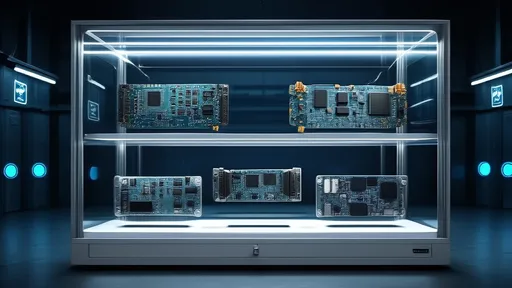
The recycling process for gaming devices typically begins with data destruction to protect users' personal information. Specialized software wipes hard drives, while physical destruction methods are used for devices that can't be digitally erased. Next, components are manually disassembled to separate different material types. Circuit boards go to specialized refiners that recover precious metals like gold and silver. Plastics are sorted by type and often shredded for reuse in new products.
One of the biggest challenges in game device recycling is the wide variety of proprietary components. Unlike smartphones or laptops which have somewhat standardized internals, gaming consoles use custom-designed parts that change with each generation. This requires recyclers to constantly update their processes and invest in new equipment to handle different models effectively.
Emerging technologies are improving the efficiency of game hardware recycling. Advanced sorting systems using AI and robotics can now identify and separate materials more accurately than human workers. New chemical processes allow for safer extraction of rare metals from circuit boards. Some companies are even experimenting with modular console designs that would make future recycling efforts simpler by standardizing certain components across generations.
Consumer awareness remains a significant barrier to widespread game device recycling. Many players simply don't know these programs exist or how to participate. Others worry about data security when turning in old consoles. Industry leaders are working to address these concerns through education campaigns and improved data wiping guarantees. Some retailers now offer trade-in credits that incentivize proper recycling while giving consumers a discount on new equipment.
The environmental benefits of proper game device recycling are substantial. For every million consoles recycled, approximately 50,000 pounds of lead can be kept out of landfills. Recycling the aluminum from controller casings uses 95% less energy than mining and processing new aluminum. Even the plastics recovered can be repurposed for everything from garden furniture to automotive parts, reducing demand for virgin petroleum-based materials.
Looking to the future, regulators are beginning to take notice of gaming e-waste. The European Union has proposed expanding its WEEE (Waste Electrical and Electronic Equipment) directives to include stricter requirements for game consoles. Several U.S. states are considering similar legislation that would mandate recycling programs for gaming hardware. These policy changes could accelerate industry-wide adoption of more sustainable practices.
Some forward-thinking companies are going beyond basic recycling to implement true circular economy principles. Nintendo has experimented with using recycled materials in new console manufacturing. Valve has published detailed sustainability reports tracking their progress in reducing the environmental impact of Steam Deck production and end-of-life processing. These efforts demonstrate how the industry can move from simply managing waste to preventing it through better design.
For environmentally conscious gamers, several best practices can ensure their old hardware doesn't end up harming the planet. First, consider selling or donating still-functional equipment - many schools and community centers welcome used gaming devices. If recycling is the only option, always use manufacturer-sponsored programs or certified recyclers rather than generic e-waste bins. Remove all personal data beforehand, and keep accessories together as they often contain valuable materials too.
The intersection of gaming and environmental responsibility represents an important evolution for the industry. As players become more aware of sustainability issues, they're increasingly choosing brands that demonstrate real commitment to responsible recycling practices. The companies that invest in these programs now will not only reduce their environmental impact but also build lasting loyalty with a generation of eco-conscious consumers.
Game device recycling and eco-certifications may seem like niche concerns today, but they're likely to become standard expectations in the near future. With millions of consoles reaching end-of-life each year, establishing effective systems now will pay environmental dividends for decades to come. The gaming industry has an opportunity to lead the electronics sector toward more sustainable practices - one recycled controller at a time.