Power Consumption of UAV Visual SLAM
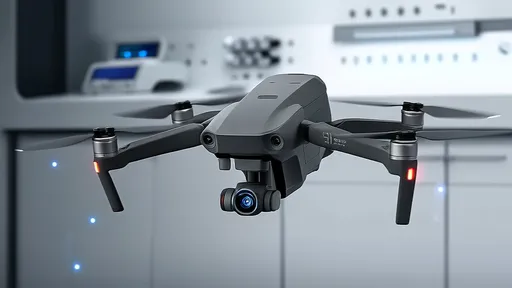
The rapid advancement of drone technology has brought visual SLAM (Simultaneous Localization and Mapping) to the forefront of research and development. As drones become more autonomous, the demand for efficient power consumption in visual SLAM systems has grown significantly. Unlike traditional SLAM methods, which rely heavily on external sensors, visual SLAM leverages onboard cameras and computational algorithms to navigate and map environments. However, this approach comes with its own set of challenges, particularly in terms of power efficiency.
Understanding the Power Drain in Visual SLAM
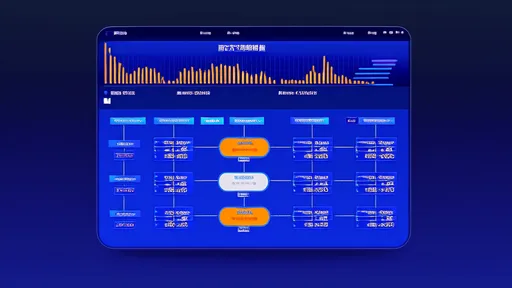
Visual SLAM systems are inherently power-hungry due to the computational intensity of processing high-resolution images in real-time. The primary contributors to power consumption include the camera module, the processor, and the memory bandwidth required for data handling. For drones, which operate on limited battery capacity, optimizing these components is critical. Researchers have identified that the energy expenditure in visual SLAM is not linear; it spikes during feature extraction, matching, and pose estimation phases. These spikes can drastically reduce flight time, making power optimization a top priority for drone manufacturers.
The Role of Hardware in Power Efficiency
Hardware selection plays a pivotal role in determining the power efficiency of a visual SLAM system. Modern drones often employ specialized processors like GPUs or FPGAs to accelerate image processing tasks. While these processors offer high performance, they also consume considerable power. To mitigate this, some developers are turning to low-power alternatives such as ASICs or neuromorphic chips, which are designed to handle specific tasks with minimal energy usage. Additionally, the integration of edge computing has allowed drones to offload some processing tasks to nearby devices, further reducing onboard power consumption.
Software Optimizations for Lower Power Consumption
Beyond hardware, software optimizations are equally crucial in reducing the power footprint of visual SLAM. Techniques like sparse feature extraction, adaptive keyframe selection, and dynamic resolution adjustment have shown promise in lowering computational demands. For instance, sparse feature extraction focuses only on the most relevant points in an image, reducing the amount of data processed. Similarly, adaptive keyframe selection ensures that only the most informative frames are used for mapping, minimizing redundant computations. These software-level tweaks, when combined with efficient coding practices, can lead to significant energy savings without compromising accuracy.
The Impact of Environmental Factors
Environmental conditions also influence the power consumption of visual SLAM systems. In well-lit, structured environments, the system can operate efficiently with fewer computational resources. However, in low-light or highly dynamic settings, the algorithm may need to work harder to extract and match features, leading to increased power usage. To address this, some drones now incorporate hybrid systems that switch between visual SLAM and other navigation methods (like GPS or LiDAR) based on environmental conditions. This adaptive approach ensures optimal power usage across varying scenarios.
Future Directions in Power-Efficient Visual SLAM
The quest for power-efficient visual SLAM is far from over. Emerging technologies like quantum computing and bio-inspired algorithms hold the potential to revolutionize how drones process visual data. Quantum computing, though still in its infancy, could drastically reduce the time and energy required for complex calculations. Bio-inspired algorithms, modeled after natural systems like insect vision, offer lightweight alternatives to traditional SLAM methods. As these technologies mature, they could pave the way for drones that perform visual SLAM with minimal power, enabling longer missions and broader applications.
Conclusion
Power consumption remains a critical challenge in the deployment of visual SLAM for drones. While hardware and software optimizations have made strides in improving efficiency, there is still room for innovation. By leveraging advancements in both technology and algorithm design, the drone industry can overcome these hurdles, unlocking new possibilities for autonomous flight. The future of visual SLAM lies in striking the perfect balance between performance and power efficiency, ensuring that drones can navigate complex environments without being tethered by energy constraints.