Dynamic Monitoring of Algorithmic Fairness
The rapid integration of artificial intelligence into decision-making systems has brought algorithmic fairness to the forefront of technological and ethical discussions. As organizations increasingly rely on automated tools for hiring, lending, and law enforcement, concerns about biased outcomes have intensified. This has led to the emergence of dynamic fairness monitoring as a critical discipline for ensuring equitable AI systems throughout their lifecycle.
Traditional approaches to algorithmic fairness often involved one-time audits or static assessments during the development phase. However, researchers and practitioners now recognize that fairness isn't a fixed property but rather a dynamic characteristic that can evolve as systems interact with real-world data. Dynamic fairness monitoring represents a paradigm shift toward continuous evaluation and adjustment of AI systems to maintain equitable performance across different demographic groups.
The complexity of modern machine learning models makes detecting fairness violations particularly challenging. Unlike simpler rule-based systems where biases might be more apparent, deep learning algorithms can develop subtle discriminatory patterns through their training processes. These patterns may only become visible when the system encounters specific edge cases or when societal biases reflected in training data manifest in unexpected ways during deployment.
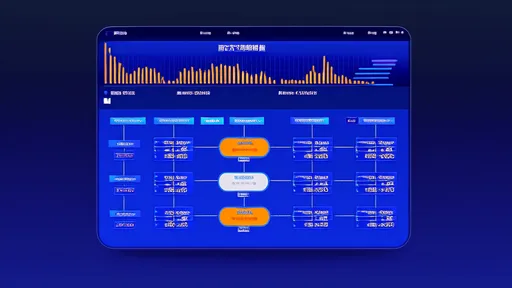
Several technological approaches have emerged for implementing dynamic fairness monitoring. One method involves embedding fairness metrics directly into model performance dashboards, allowing operators to track disparities across protected attributes in real-time. Another approach utilizes statistical process control techniques adapted from manufacturing quality assurance to detect when fairness metrics exceed acceptable thresholds. More sophisticated systems employ counterfactual analysis to simulate how different demographic groups might experience the algorithm's decisions differently.
The legal and regulatory landscape surrounding algorithmic fairness is evolving rapidly. In the European Union, the proposed Artificial Intelligence Act includes provisions for continuous conformity assessments of high-risk AI systems. Similarly, U.S. regulatory agencies have begun emphasizing the importance of ongoing monitoring rather than pre-deployment certification alone. This shifting regulatory environment is driving increased investment in dynamic monitoring solutions across industries.
Implementation challenges remain significant for organizations adopting dynamic fairness monitoring. Many companies struggle with establishing appropriate fairness benchmarks and determining which metrics align with their ethical commitments and legal obligations. There's also the technical hurdle of implementing monitoring systems that can handle the scale and complexity of production AI systems without introducing excessive computational overhead.
Privacy concerns present another layer of complexity in fairness monitoring. Many fairness assessment techniques require access to sensitive demographic information that organizations might not collect or might be legally restricted from using. Emerging privacy-preserving techniques, such as federated learning and differential privacy, offer potential solutions but introduce their own trade-offs in terms of monitoring accuracy and system complexity.
The field has seen notable case studies demonstrating both the importance and effectiveness of dynamic fairness monitoring. In one prominent example, a major financial institution discovered through continuous monitoring that its credit scoring algorithm began exhibiting geographic bias following changes in economic patterns during the COVID-19 pandemic. The dynamic system allowed the institution to detect and correct this bias before it resulted in widespread discriminatory outcomes.
Looking ahead, researchers are exploring more sophisticated approaches to dynamic fairness monitoring. Some are developing early warning systems that can predict potential fairness degradation based on changes in input data distributions. Others are working on automated mitigation systems that can adjust model behavior in response to detected biases without requiring complete retraining. These advancements promise to make fairness monitoring more proactive rather than reactive.
Despite technological progress, experts emphasize that dynamic fairness monitoring should complement rather than replace human oversight. Ethical AI implementation requires multidisciplinary teams that include not just data scientists and engineers but also social scientists, ethicists, and representatives from affected communities. The most effective monitoring systems combine quantitative fairness metrics with qualitative assessments of real-world impact.
The development of standardized tools and frameworks for dynamic fairness monitoring remains an ongoing challenge. While several open-source libraries now include fairness monitoring capabilities, organizations often need to customize these tools for their specific use cases and risk profiles. Industry consortia and standards bodies are working to establish common practices, but consensus has been slow to emerge given the contextual nature of fairness considerations.
As the field matures, dynamic fairness monitoring is expanding beyond traditional notions of demographic parity. Newer approaches consider intersectional fairness (examining combinations of protected attributes) and temporal fairness (how outcomes change over time for individuals). This broader perspective recognizes that algorithmic bias can manifest in complex ways that simple group comparisons might miss.
The business case for dynamic fairness monitoring continues to strengthen beyond compliance requirements. Organizations are finding that fairness monitoring can improve model robustness, reduce reputational risk, and even enhance overall system performance by identifying problematic data patterns. In competitive markets, demonstrated commitment to algorithmic fairness is increasingly becoming a differentiator for technology providers.
Educational institutions are responding to the growing importance of dynamic fairness monitoring by expanding their curricula. Computer science programs that once focused solely on model accuracy now incorporate coursework on fairness metrics, bias detection, and ethical considerations. Professional certification programs in responsible AI have emerged to help practitioners develop specialized expertise in these areas.
Looking to the future, the integration of dynamic fairness monitoring with other responsible AI practices represents the next frontier. Combining fairness monitoring with explainability techniques, for instance, can help not just detect biases but understand their root causes. Similarly, linking monitoring systems with robust governance processes ensures that detected issues lead to meaningful action rather than just documentation.
The evolution of dynamic fairness monitoring reflects a broader recognition that building ethical AI systems requires ongoing vigilance rather than one-time solutions. As algorithms play increasingly consequential roles in society, the development of sophisticated, practical monitoring tools will remain crucial for realizing the promise of equitable artificial intelligence.